

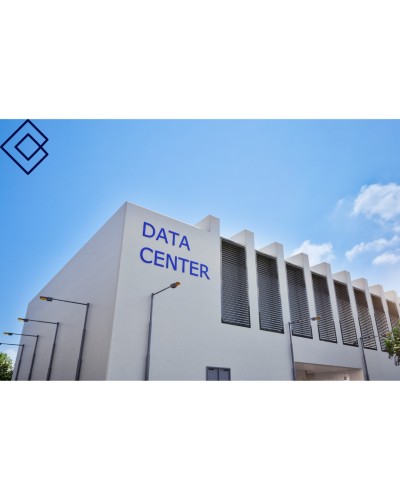
Artificial intelligence (AI), advanced manufacturing and the digital revolution are transforming America's economy, and data centers are expanding as essential infrastructure. Across the Midwest, companies are racing to build the facilities that will power the technologies and industries of today and tomorrow. To strengthen our region instead of straining it, data center development must be matched with clean energy and the grid infrastructure needed to deliver it.
At Clean Grid Alliance, we acknowledge that data center growth is moving quickly across the Midwest. These facilities can bring major economic opportunities, but they must be developed responsibly. As data centers are built, they should be paired with new clean energy, protect existing customers from unfair cost increases, engage communities transparently, mitigate natural resource impacts, and include the grid infrastructure needed to support reliable service. Now is the time to make sure that responsible data center development meets these objectives.
The Electric Power Research Institute projects data centers could consume 9% to 17% of U.S. electricity by 2030, up from 4% to 5% today. The U.S. Energy Information Administration also forecasts the strongest four-year growth in U.S. electricity demand since 2000, fueled in large part by data centers. If that demand arrives faster than new resources and grid infrastructure, consumers will feel the strain through higher costs and increasing risks to the reliability of the power grid on which we all depend.
First, data centers should add clean power to the grid, not simply compete for the electricity that homes, farms, schools, manufacturers, and small businesses already rely on. Pairing these facilities with new wind, solar, and battery storage projects helps ensure this growth expands the region's energy supply instead of tightening it. Many data center developers have publicly proclaimed they want to be powered by clean energy, and Clean Grid Alliance is hard at work making sure the grid operator, regulatory and other rules are in place to actually implement this.
Wind, solar, and battery storage are among the lowest-cost, fastest-to-deploy, and most scalable resources available today. Built alongside data centers, they can expand primary energy supply. Additionally, those clean energy resources can be deployed at larger scales and with greater geographic reach on the regional transmission grid to deliver affordable energy to data centers throughout the Midwest. Making more and better use of grid resources allows data centers to limit their reliance on more expensive backup natural gas- and diesel-fired generators that have traditionally been reserved for emergency use. In these ways, clean energy resources improve reliability and help protect customers from significantly higher electricity bills. That makes clean energy the most practical and cost-effective local and regional response to fast-moving load growth.
Second, planning cannot stop at the edge of a data center site. Utilities, regulators, communities, developers, policymakers, and regional grid operators must responsibly prepare for this growth, together. New clean energy should be the primary strategy for powering data centers, and transmission and grid improvements must keep pace so electricity can be delivered reliably and efficiently.
Third, consumers must be protected. Serving large new electricity users often requires investments in generation, substations, transmission, and other grid infrastructure. Those costs should be planned and allocated fairly, so families, farmers, small businesses, and manufacturers are not left subsidizing private growth. Whether clean energy resources are dedicated to specific data centers or added to the transmission grid to supply wholesale energy markets, those resources help reduce total energy costs so that incremental costs of backup power sources can be more easily isolated, minimized, and allocated to associated data centers.
Fourth, communities deserve a meaningful voice before major decisions are made. Local leaders and residents need prompt, accurate information about proposed projects, including energy needs, land and water use, infrastructure investments, economic benefits, and potential impacts on electric customers. Communities also need to know that clean energy grid solutions can provide affordability, reliability, and enable economic development across industries and communities in the Midwest.
Clean Grid Alliance is working at the state and regional levels to advance these principles. In Minnesota, Clean Grid Alliance is advocating for utility programs that would pair data center growth with new clean energy while protecting existing customers from additional costs. We are also participating in long-term utility planning processes in Illinois, Michigan, Minnesota, and Missouri to ensure utilities fully evaluate the role of wind, solar, and battery storage in serving new data center demand. At the regional level, we're advocating for well-planned transmission buildout and competitive regional power grid policies that provide a level playing field for clean energy resources and avoid preferential treatment for utility-owned fossil fuel generation.
At the end of the day Clean Grid Alliance believes that data centers should be built responsibly, which means pairing their development with clean energy, being transparent with communities at the onset of development, and ensuring data center companies pay all associated costs. This approach strengthens grid reliability, delivers affordability for families and businesses, protects natural resources, and protects existing customers from bearing unnecessary costs.